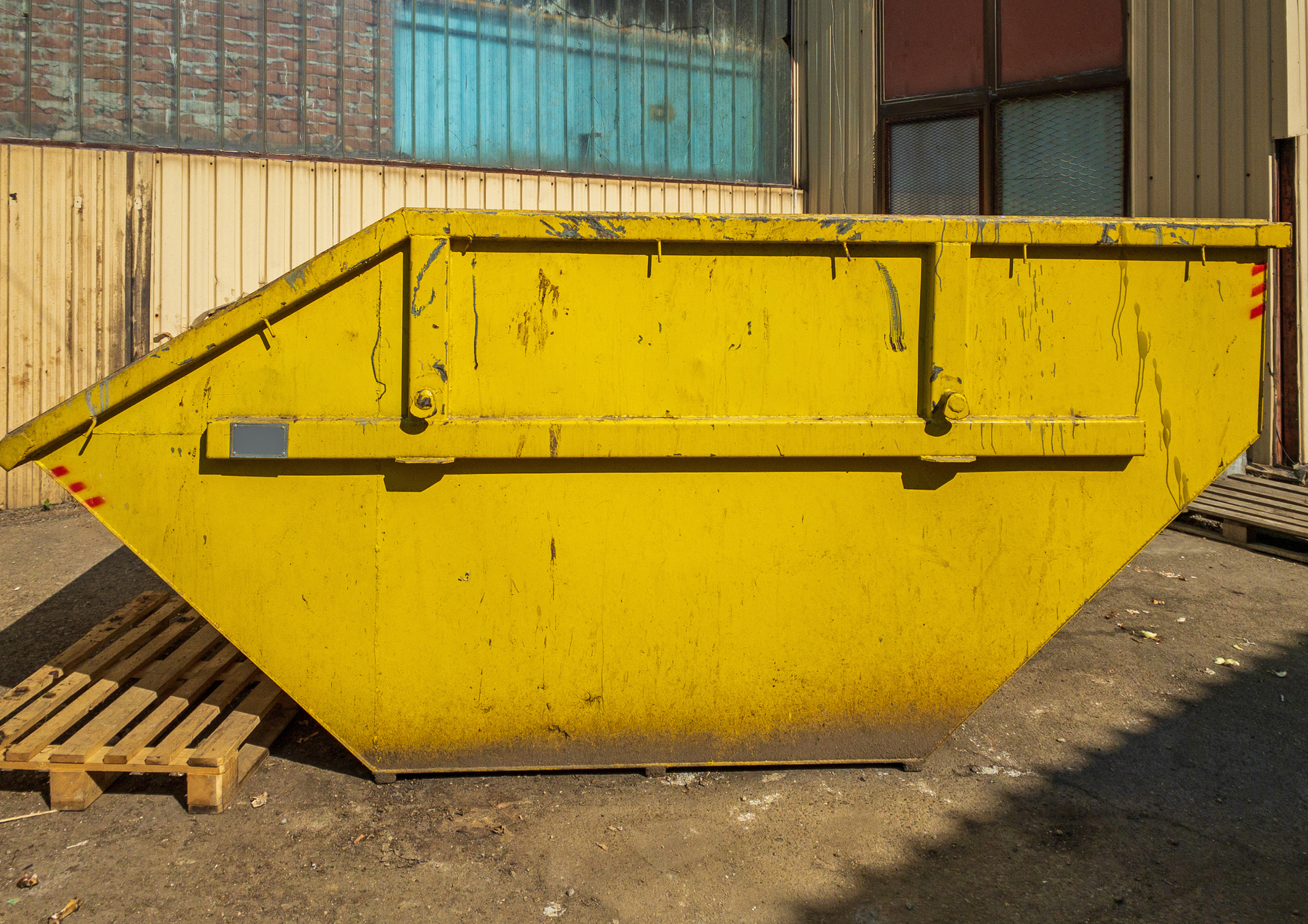

Skips for House Clearances: Choosing the Right Size for Every Job
Clearing a house can involve anything from removing a few unwanted possessions to emptying an entire property after years of accumulated belongings. Furniture, old flooring, boxes, garden materials, damaged household items and renovation debris can quickly create a substantial volume of waste. Choosing suitable skips at the planning stage can therefore make a significant difference to how efficiently the clearance progresses.
For homeowners, landlords, surveyors and local authorities, the right approach depends on the size and condition of the property, the amount of material being removed and the space available for waste storage. A small flat being prepared for new occupants may have very different requirements from a large family home undergoing a complete clearance.
Taking time to assess these factors can reduce unnecessary interruptions and make the overall clearance easier to manage. Rather than selecting capacity based purely on guesswork, customers can consider each room, separate reusable belongings from unwanted materials and develop a clearer idea of what will actually require disposal.
Assessing the Amount of Waste Before Choosing a Size
Estimating the amount of waste produced by a house clearance is not always straightforward. Furniture and bulky household possessions can occupy considerably more space than expected, while smaller items may quickly accumulate once cupboards, lofts, garages and storage areas are emptied. Breaking the assessment into categories makes it easier to understand the likely requirements.
Property Size and Number of Rooms
- Start by considering how many rooms are being cleared rather than looking only at the overall floor area of the property.
- A three-bedroom home containing relatively few possessions may generate less waste than a smaller property that has been heavily furnished for many years.
- Kitchens, garages, lofts and sheds can contain particularly large quantities of unwanted materials that may not be immediately visible.
- Consider whether the entire property is being emptied or whether only selected rooms are included in the project.
Furniture and Bulky Items
- Sofas, wardrobes, tables, shelving and dismantled furniture can occupy substantial space even when the number of individual items appears relatively small.
- Where appropriate, dismantling suitable furniture can make more efficient use of the available capacity.
- Large household possessions should be identified before the clearance begins so their approximate volume can be included in the planning.
- Customers should check whether particular materials or items require separate handling rather than assuming everything can be placed together.
Smaller Household Materials
- Boxes, ornaments, old clothing, general household rubbish and unwanted possessions can accumulate surprisingly quickly.
- Sorting belongings first also prevents useful or sentimental items from accidentally being discarded.
- Grouping similar materials can make loading more organised and support responsible handling after collection.
Lofts, Garages and Outdoor Areas
- Lofts frequently contain possessions that have been stored for many years and forgotten about until a full property clearance begins.
- Garages may contain old tools, timber, shelving and general household materials that significantly increase the total volume.
- Garden sheds and outdoor storage areas should also be included when estimating requirements.
- If garden clearance is taking place at the same time, branches, soil and other outdoor materials may need additional consideration.
A careful assessment before booking can save considerable time later. It allows the clearance to proceed in a more organised way and reduces the likelihood of discovering halfway through the work that considerably more capacity is required.
Matching the Container to Different Types of House Clearance
Not every property clearance requires the largest available option. The most appropriate choice depends on the scope of the work, the nature of the materials being removed and how much can be separated for reuse, recycling or other appropriate routes.
A partial clearance may involve only one or two rooms. This is common when homeowners are decluttering before decorating, landlords are preparing individual areas between tenancies or a property owner is clearing a garage or loft. Smaller capacity can often be practical in these circumstances because the waste volume is relatively controlled.
Whole-property clearances require more careful consideration. Emptying bedrooms, living spaces, kitchens, storage areas and outdoor buildings at the same time can produce a surprisingly large quantity of unwanted material. Furniture alone can consume substantial capacity, particularly if items cannot be dismantled easily. Planning room by room provides a more realistic estimate than simply looking at the property from the outside.
The condition of the building can also influence the amount of material generated. A property being cleared before refurbishment may contain old carpets, damaged fixtures, shelving and other materials in addition to ordinary household possessions. Landlords and property managers preparing homes for renovation should therefore consider both existing contents and any materials that will be removed during preliminary work.
Customers arranging skip hire should also think about how the clearance will be completed. If everything is being removed over a single weekend, having adequate capacity available from the beginning can be particularly useful. A project taking place gradually over several days may allow waste to be sorted more carefully before loading.
Commercial properties can present similar challenges. Offices, small retail premises and mixed-use buildings may contain desks, shelving, packaging and general materials that need to be removed before refurbishment or a change of occupancy. Although the contents differ from those of a typical home, estimating volume and planning access remain equally important.
The objective is not simply to choose the biggest available container. It is to select capacity that reflects the actual project. A sensible estimate can provide sufficient room without leaving a large amount of unused space, making the clearance easier to organise from beginning to end.
Planning Placement, Loading and Access Around the Property
Choosing capacity is only part of the planning process. The location where the container will be positioned, the route used to carry materials from the property and the access available to the delivery vehicle can all affect how smoothly the clearance proceeds.
Driveway and Private Property
- A suitable private driveway can provide convenient placement close to the building.
- Check that there is sufficient width and length for the container as well as adequate access for the delivery vehicle.
- Consider gates, walls, parked vehicles, trees and other obstacles before arranging delivery.
- Keeping the container reasonably close to the property can reduce the distance bulky objects need to be carried.
Roadside Placement
- Where private space is unavailable, customers may need to consider alternative positioning arrangements.
- Requirements can differ depending on where the container will be placed, so relevant permissions should be checked before the planned delivery date.
- Road width, parking conditions and surrounding access should also be considered.
- Planning these details early reduces the likelihood of delays when the clearance is due to begin.
Loading the Container
- Place larger or flatter materials carefully where appropriate to make efficient use of available room.
- Avoid simply throwing bulky objects into the first available space, as poor loading can leave substantial unused gaps.
- Smaller materials can sometimes be positioned around larger objects to use the available capacity more effectively.
- Follow the provider's guidance regarding filling levels and materials that can or cannot be accepted.
Access for Collection
- Keep the delivery and collection route accessible throughout the hire period.
- Avoid parking vehicles or placing building materials where they could prevent collection.
- If other contractors are working at the property, make them aware of the required access route.
- Confirm collection arrangements in advance where project schedules are particularly important.
Customers looking for local skips can benefit from considering these practical details before making a booking. A suitable container is most useful when
Good preparation is particularly important in busy residential areas where parking and vehicle movement may be restricted. The same principle applies to commercial properties, where deliveries, customers or employees may need continued access while clearance work is underway.
Making a House Clearance More Organised from Start to Finish
An organised house clearance begins before the first unwanted item leaves the property. Creating a basic plan can prevent useful belongings from being discarded, reduce unnecessary waste and make loading considerably easier.
Start by separating possessions into clear groups. Items being retained should be moved away from the clearance area so they cannot become mixed with unwanted belongings. Anything suitable for reuse or donation can then be identified separately, leaving a clearer picture of what genuinely needs removing.
Working room by room is often more manageable than attempting to empty several areas simultaneously. Completing one space before moving to another provides a visible sense of progress and makes it easier to monitor the amount of waste being generated. This approach can be particularly useful in larger homes, inherited properties and buildings that have accumulated possessions over many years.
It is also sensible to identify unusual materials before work begins. Not every item from a property should automatically be placed with general household waste. Checking requirements beforehand avoids confusion during the clearance and gives customers time to arrange an appropriate alternative where necessary.
Timing matters as well. Customers who need to order a skip should ideally consider the expected start of the clearance, property access and the amount of preparation required beforehand. Having everything ready when the container arrives means available hire time can be used effectively rather than being spent sorting rooms that could have been organised in advance.
Landlords and property professionals may need to coordinate clearance work with cleaning, decorating, repairs or surveys. Planning waste removal alongside these activities can reduce disruption and prevent discarded materials from obstructing contractors. Local authorities managing residential or commercial buildings can apply the same principle when coordinating maintenance programmes or preparing premises for future use.
A structured approach also makes the final stage easier. Once the property has been cleared, each room can be checked for remaining unwanted materials before collection is arranged. This reduces the likelihood of discovering additional waste immediately after removal and helps leave the building ready for cleaning, refurbishment, sale, occupation or its next intended use.
Choosing the right waste container for a house clearance depends on more than the number of bedrooms in a property. The quantity of furniture, contents of storage areas, condition of the building, outdoor materials and extent of any associated renovation work can all influence the amount of capacity required.
Assessing each area before booking provides a more accurate picture of the project. Separating reusable possessions, identifying bulky objects and considering materials requiring different handling can make the clearance more organised while reducing avoidable waste.
Placement and accessibility deserve equal attention. A suitable location should allow convenient loading while maintaining sufficient access for delivery and collection. Where private space is limited, customers should investigate relevant requirements early rather than leaving arrangements until work is due to begin.
For homeowners, landlords, surveyors, local authorities and those responsible for residential or commercial properties, careful preparation can turn a potentially demanding clearance into a much more manageable project. Choosing suitable
skips, matching capacity to genuine requirements, planning how materials will be loaded and coordinating collection with the wider project schedule can all contribute to an efficient process from the initial clear-out through to the final removal.
Skip Hire Grantham provides practical information and straightforward waste removal options for customers planning household, property and commercial clearances. Our focus is on helping customers understand their requirements before booking so they can make informed decisions about capacity, placement and collection arrangements.
We recognise that every clearance is different. A homeowner clearing a spare room may require a very different solution from a landlord emptying an entire property or a commercial customer preparing premises for refurbishment. Clear guidance can help customers assess the amount of material involved and choose skips that are appropriate for the scale of the work.
Our website is designed to make the planning process easier by providing useful information without unnecessary complexity. Whether the project involves a domestic clear-out, renovation preparation or a larger property clearance, we aim to help customers understand the practical considerations involved from the outset.
By focusing on clear communication, sensible planning and responsible waste management, our website provides a useful starting point for anyone who wants to organise a property clearance efficiently and with greater confidence.
Check out our latest X update on choosing the right
skips
for house clearances of every size!
You might also like